

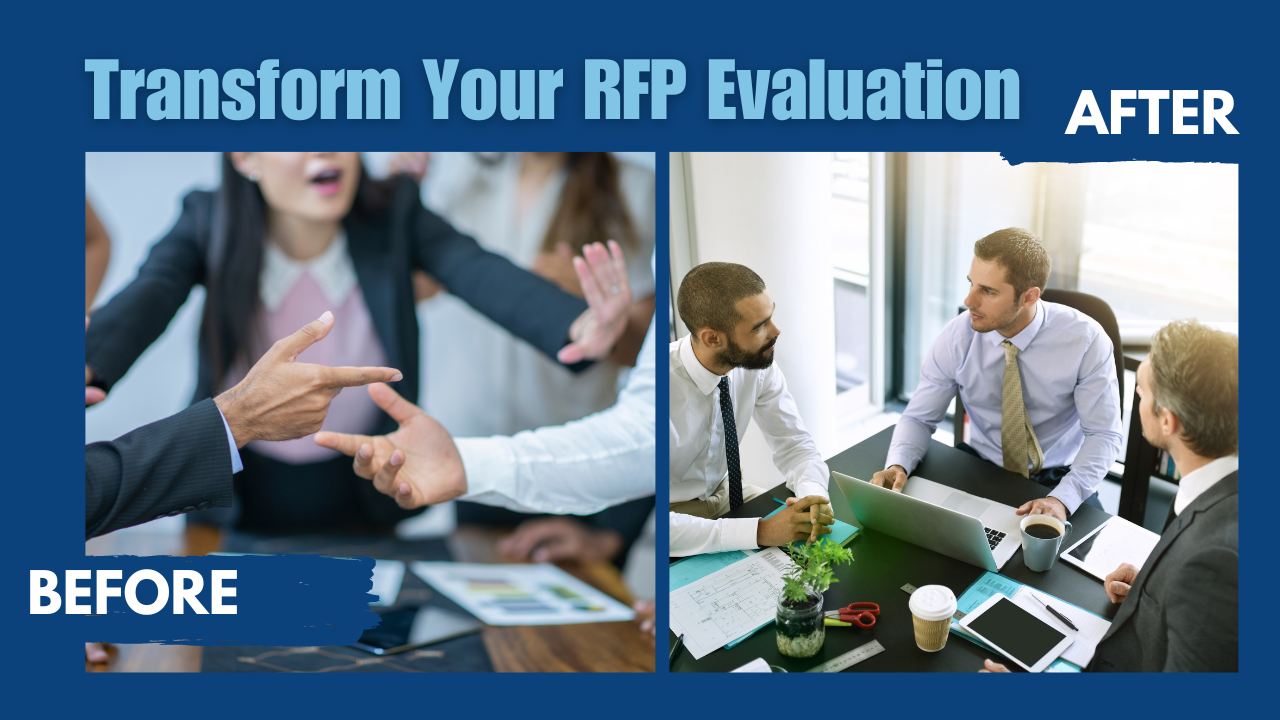
When it comes to the procurement process, consistency and fairness are paramount. One of the best ways to ensure these is by drafting your evaluation booklet alongside your Request for Proposal (RFP). This practice not only fosters transparency but also streamlines the entire evaluation process, making it more efficient and objective. In this blog post, we’ll explore why this approach is essential and how it can benefit your procurement process.
Consistency and Fairness
Drafting your evaluation booklet at the same time as your RFP is a game-changer for maintaining consistency and fairness in the procurement process. The evaluation booklet serves as the open, fair, and transparent criteria that you post in your RFP. By aligning these documents from the outset, you ensure that all proposals are evaluated against the same standards, eliminating any potential for bias or favoritism.
Efficiency in Evaluation
Efficiency is another significant benefit of drafting the evaluation booklet and RFP simultaneously. Involving your evaluators from the beginning helps streamline the evaluation process, as they become familiar with the criteria and the specifics of the RFP long before they start reviewing proposals. This early involvement reduces the time needed for training or clarification later on, allowing the team to hit the ground running when proposals come in. As highlighted in the video, “Building it at the same time streamlines your evaluation process because your evaluators are going to understand the criteria and what went into the RFP long before they have to look at proposals.”
Transparency
Transparency is crucial in procurement to build trust with the marketplace and invite more valued competition. By clearly mapping the criteria to the response requirements to the scoring matrix in the RFP, you create a transparent process where each proposal is judged on how well it meets (or exceeds) the criteria. This approach not only builds trust with vendors but also reinforces the integrity of your procurement process.
Reducing Bias and Ensuring Objectivity
One of the biggest challenges in procurement is minimizing the “human factor” and ensuring objective evaluations. Drafting the evaluation booklet with the RFP helps to address this challenge by providing clear, predefined criteria for evaluation. This structured approach leaves little room for subjective interpretations, ensuring that all proposals are assessed fairly.
Conclusion and Call to Action
Incorporating the practice of drafting your evaluation booklet alongside your RFP can transform your procurement process. By ensuring consistency and fairness, increasing efficiency, and promoting transparency, you can achieve more objective and reliable outcomes. To delve deeper into the benefits and learn how to implement this practice in your organization, watch our full video on the topic. Watch the full video here.
Stay informed and stay ahead in your procurement processes by integrating these best practices. Your efforts towards a more transparent, efficient, and fair evaluation process will pay off in the long run.
For more insights and detailed guidance on procurement, don’t forget to subscribe to our newsletter and follow us on social media.


Leave a Reply